

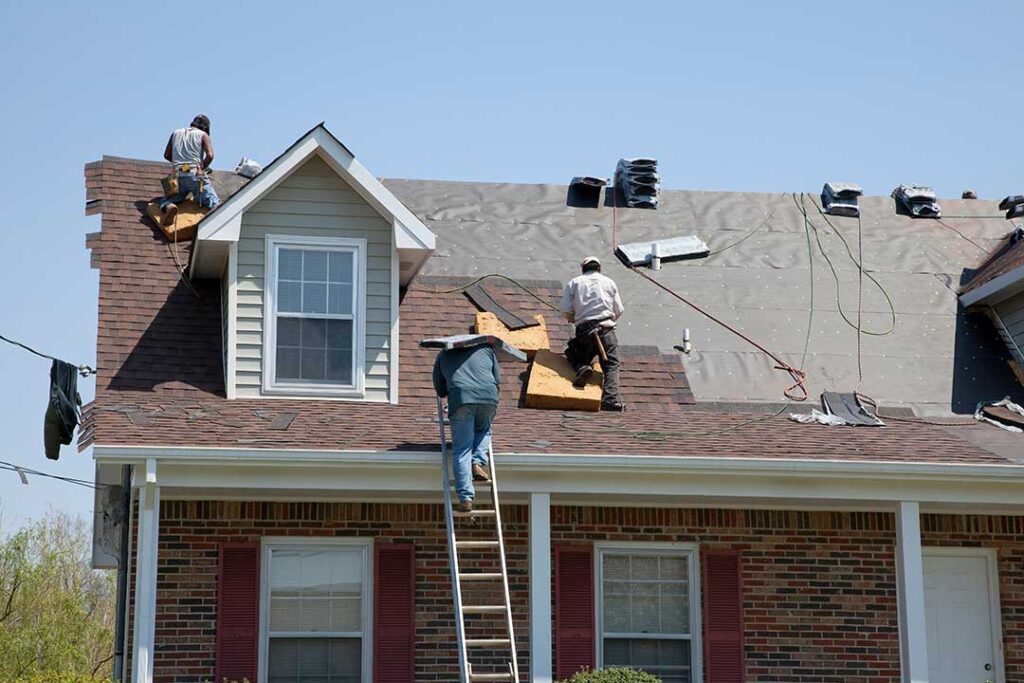
Why Are Roof Inspections Necessary in Fishers, IN?
Routine roof inspections are essential for maintaining a safe, dry, and comfortable home in Fishers, IN. Seasonal weather swings—ranging from harsh winter freezes to humid, stormy summers—put continual stress on local roofing materials. Early identification of issues can help prevent costly leaks and structural damage.
Local homes experience a mix of high winds, hail, ice damming, and heavy summer rain. These conditions can weaken shingles, flashings, and gutters gradually. Inspections allow homeowners to spot small problems before they develop into much larger—and more expensive—repairs.
What Should Homeowners Look for During a Roof Check?
Homeowners can perform basic visual inspections safely from the ground or with binoculars. Here’s what to watch for:
- Missing, cracked, curled, or loose shingles
- Piles of shingle granules in gutters or around downspouts
- Sagging areas or signs of unevenness
- Rust or discolored streaks on metal flashings
- Moss or mold growth, which may signal trapped moisture
- Blocked or damaged gutters and downspouts
Carefully check the attic as well for signs of water stains, damp insulation, or visible daylight through the roof boards—these can all indicate active leaks or gaps.
How Often Should a Roof Be Inspected?
Most Fishers homes benefit from a roof inspection twice a year: once after winter and again following summer storms. Additional checks should be made after major hail events or windstorms.
Annual or semi-annual schedules allow homeowners to catch winter ice damage, summer heat effects, and debris buildup from heavy foliage. Even newer roofs should be checked regularly, as severe weather can affect roofs of any age.
What Issues Are Most Common Locally?
In this area, weather-related issues are most often observed:
- Hail impacts that crack or bruise shingles
- Ice dams forming at eaves during freeze-thaw cycles
- High winds lifting shingles or damaging ridge caps
- Algae streaks and moss buildup in damp shaded spots
- Gutters clogged with leaf debris, especially near mature trees
Many residents overlook small punctures from windblown debris or nails that have ‘popped’ through shingle surfaces. These can be early indicators of wear that’s not visible from the street.
Can Homeowners Inspect Their Own Roofs Safely?
Basic ground-level checks are generally safe for most people. For shingles, flashings, and visible roof edges, binoculars offer a close-up view without climbing.
If a ladder is used, extreme caution is necessary—slippery roofs, uneven ground, and unsteady ladders create real fall risks. Never step onto a wet, icy, or steep roof deck. Interior attic checks can be done with a flashlight during daylight hours, scanning for drips, stains, or musty smells on wood and insulation.
Homes with very steep or high roofs, or those experiencing active leaks, may require a professional inspection to avoid safety hazards.
What Should Be Included in a Thorough Inspection?
A comprehensive inspection—whether done personally or by a professional—should include:
- Shingles (all slopes and edges)
- Flashing around chimneys, skylights, and roof junctions
- Gutters, downspouts, and drainage
- Attic ventilation points (ridge vents, soffits)
- Signs of pest intrusion or animal nests
- Roof penetration seals (vents, exhaust pipes)
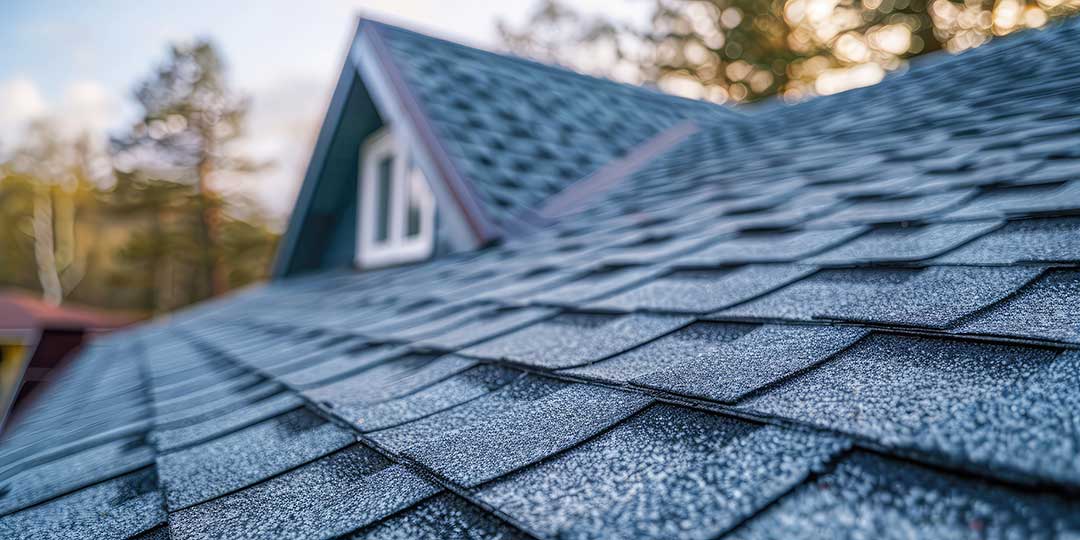
Photographing any concerns can help track changes over time or facilitate more accurate repairs if needed.
What Are the Signs That Repairs Might Be Needed?
Common symptoms that suggest repairs could be necessary include:
- Water stains on ceilings or upper story walls inside the home
- Dark spots or blistering on ceiling paint
- Dripping or visible water during or after storms, especially in the attic
- Curling, buckling, or missing sections of shingle
- Persistent ice damming at the gutter line in winter
These signs point to leaks, poor ventilation, or drainage issues. Early detection often prevents more serious water or structural damage.
Are There Local Regulations or Requirements?
Fishers residents should be aware of homeowner association guidelines and local permitting rules regarding major roof work. Routine inspections and minor repairs usually do not require permits, but significant replacements or structural changes may.
Checking local ordinances can help avoid violations. It’s also wise to keep photos and written notes from inspections—these records can be useful for home insurance claims in the event of storm damage.
What Are Some Common Misconceptions About Roof Inspections?
Some believe roof inspections are only necessary if leaks are visible. In reality, many small issues develop gradually and aren’t apparent until water damage or mold appears. Others think new roofs don’t need checking; however, strong storms can damage roofs regardless of age or warranty.
Another misconception is that moss or algae is purely cosmetic. Over time, biological growth can trap moisture, speeding up shingle deterioration.
What Maintenance Can Help Extend a Roof’s Lifespan?
Regular debris removal, prompt gutter cleaning, and occasional moss treatment can keep a roof performing well for many years. Replacing cracked or missing shingles and sealing flashing points right away helps prevent water from seeping underneath.
Trimming back overhanging tree limbs and keeping attic spaces well-ventilated also reduce risks of wear and water intrusion.