


What roof maintenance can a homeowner safely do?
Most routine roof maintenance involves observation, cleaning, and early problem detection rather than walking on the roof or making repairs. Homeowners can often inspect visible roof areas from the ground, clear accessible gutters, trim nearby branches, check the attic, and document changes after severe weather.
In Fishers, seasonal temperature swings, thunderstorms, hail, wind, snow, and freeze-thaw cycles can all affect roofing materials. A simple maintenance routine helps identify small concerns before water reaches insulation, ceilings, walls, or framing.
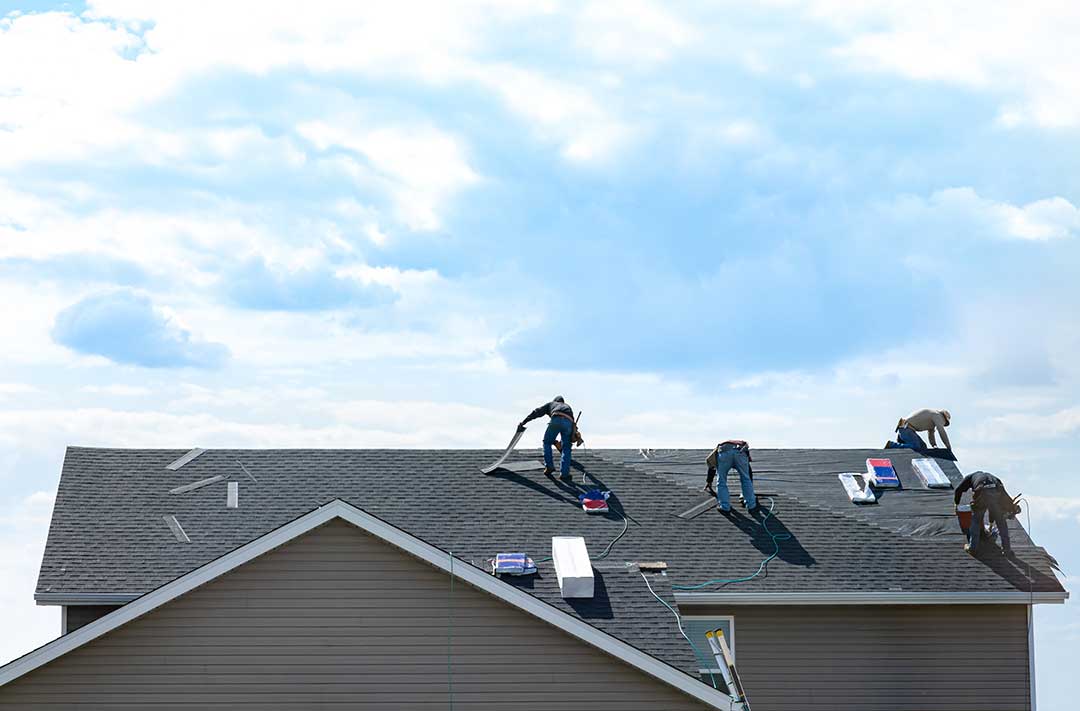
The safest rule is straightforward: stay on the ground whenever possible. Roof surfaces become slippery from dew, frost, algae, leaves, and rain. Even a low-slope roof can be hazardous, especially near edges, skylights, and wet shingles.
How often should a roof be checked?
A practical schedule is to inspect the roof system from the ground and attic at least twice a year—typically in spring and fall—and again after major storms.
Spring checks can reveal:
- Loose or missing shingles
- Wind-lifted flashing
- Gutter damage from ice or falling branches
- Granules collected in downspouts
- Water stains caused by winter leaks
- Moss, algae, or debris buildup
Fall checks should focus on leaves, branches, clogged drainage paths, damaged pipe boots, and attic moisture before freezing weather arrives.
After a thunderstorm, look for shingles in the yard, exposed underlayment, bent metal flashing, or newly displaced ridge vents. Hail damage may appear as irregular dark marks or areas where the protective granule surface has been knocked away. Do not climb onto the roof to investigate storm damage.
What can be checked from the ground?
A pair of binoculars can make a ground-level inspection more useful. Look for roof lines that appear uneven, curled or lifted shingles, missing sections, exposed fasteners, and metal flashing that has pulled away from walls or chimneys.
Also examine the areas where roof planes meet:
- Valleys, where rainwater concentrates
- Eaves and rakes, where wind can lift materials
- Chimneys, vents, and skylights
- Areas beneath overhanging trees
- Roof sections above bathrooms, kitchens, and attached garages
Check the ground around the home as well. Shingle fragments, large accumulations of granules, or pieces of flashing may indicate roof deterioration. Granules in small amounts are common as a roof ages, but a sudden increase after a storm deserves attention.
Should gutters and downspouts be part of roof maintenance?
Yes. Gutters and downspouts are part of the roof drainage system. If they are blocked, water can back up beneath the roof edge, soak fascia boards, damage siding, or collect near the foundation.
Clean gutters when leaves and other debris begin restricting flow, with extra attention in fall and after windy weather. While working from a ladder, keep both feet on stable ground, avoid overreaching, and use a helper when possible. Do not lean a ladder against fragile gutters.
Confirm that downspouts discharge water far enough away from the foundation to prevent pooling. During rainfall, observe whether water flows continuously or spills over one section. Overflow may indicate a clog, sagging gutter, inadequate slope, or a drainage problem below.
Never use a pressure washer on shingles, flashing, or roof-mounted vents. High-pressure water can remove protective granules and force moisture beneath roofing materials.
How should attic maintenance be handled?
The attic often reveals roof problems before they are visible inside living areas. On a dry day, use a flashlight to look for darkened wood, damp insulation, water stains, rusted fasteners, daylight around penetrations, or musty odors.
Inspect the underside of the roof deck near:
- Plumbing vent penetrations
- Chimneys and skylights
- Valleys and roof edges
- Bathroom and kitchen exhaust routes
- Areas below roof-mounted equipment
Bathroom and dryer exhaust should discharge outdoors, not into the attic. Moist air released into an attic can condense on cold surfaces, wet insulation, and contribute to mold or wood deterioration.
Attic ventilation should not be blocked by stored items or insulation. However, adding vents without addressing air leaks or inadequate insulation may not solve moisture problems. A balanced system generally depends on unobstructed intake and exhaust paths, but changes to ventilation are more complex than simply cutting an opening or installing a fan.
What should homeowners do about moss, algae, and roof debris?
Remove leaves, twigs, and small branches when they can be reached safely from the ground or from a secure, low-risk position. Debris that stays wet can slow drying and conceal damaged shingles.
Moss should not be scraped aggressively from shingles. Pulling or scraping can loosen the protective surface and cause premature wear. Algae staining is usually a cosmetic issue, while thick moss growth can retain moisture and lift shingle edges.
Avoid chlorine bleach, pressure washing, and improvised chemical treatments that may damage roofing, landscaping, siding, or metal components. If growth is extensive or located on a steep roof, do not attempt removal from the roof surface.
Tree limbs should be kept from rubbing against shingles or hanging directly over the roof. Branch trimming near power lines or large limbs requires specialized safety precautions and should not be treated as a routine roofing task.
Can homeowners repair loose shingles or flashing?
Some minor repairs appear simple but can create larger problems if materials are installed incorrectly. Roofing layers are designed to shed water in a particular sequence, and a misplaced fastener or lifted shingle can allow water behind the visible surface.
Avoid walking on shingles that are brittle, wet, icy, steep, or heavily weathered. Do not seal over a suspected leak with random caulk or roofing cement without locating the source. Water may travel along rafters or roof decking, meaning the ceiling stain is not always directly below the entry point.
Professional evaluation is warranted when there is active leaking, structural sagging, exposed roof decking, extensive storm damage, repeated attic moisture, or damage near electrical components. It is also necessary when the work would require walking on a steep or unstable roof, using specialized equipment, or altering flashing, ventilation, or structural components.
How can winter weather affect a roof?
Snow and ice can create added weight and drainage problems. Ice dams may form when heat escapes into the attic, melts snow on the upper roof, and allows water to refreeze near colder eaves. Improving attic air sealing and insulation can help reduce this risk, but these measures must be planned carefully.
Do not chip ice with a shovel, axe, or other sharp tool. Avoid rock salt and chemicals that may corrode metal components or harm nearby vegetation. Snow removal from a roof is not a suitable do-it-yourself project for most homeowners because slipping, falling, and damaging shingles are serious risks.
After a freeze-thaw period, check ceilings, attic insulation, and upper-level walls for new discoloration. Early signs of moisture are easier to address before repeated wetting causes wood rot or insulation damage.
What maintenance records should homeowners keep?
Keep a simple record with inspection dates, photographs, storm observations, gutter cleaning, attic findings, and any repairs. Photos taken from the same ground locations make it easier to compare roof conditions over time.
Record the approximate roof age if known, the type of roofing material, and any areas that have leaked previously. This information helps distinguish normal aging from a new problem and supports clearer decisions when repairs or replacement eventually become necessary.