

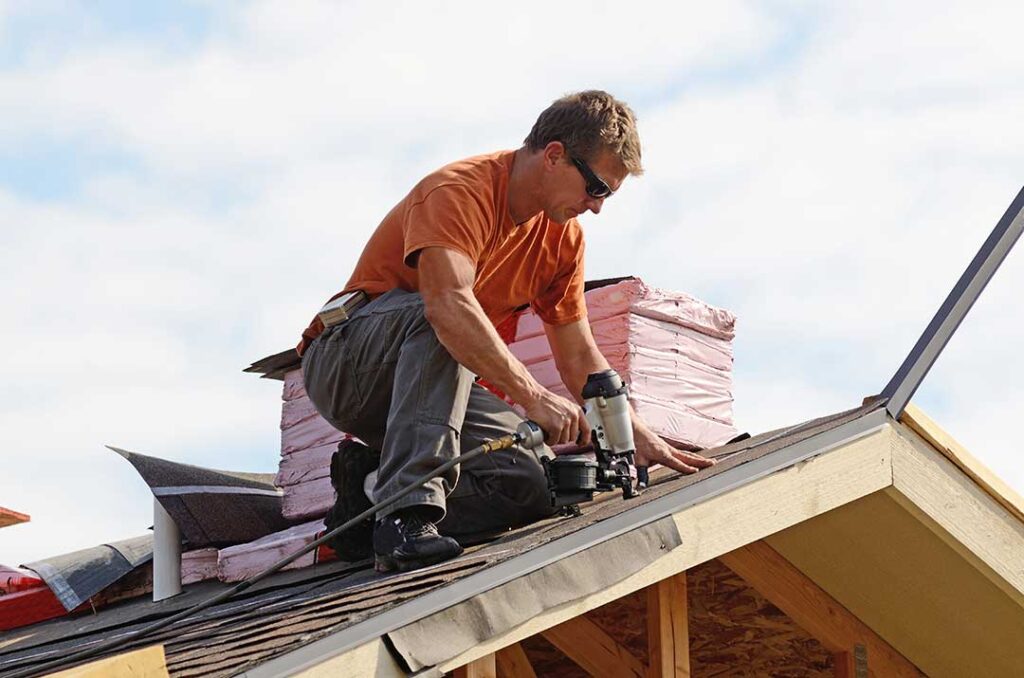
Roofing materials differ in cost, lifespan, maintenance needs, appearance, and performance during severe weather. For homeowners in Fishers, IN, the most practical choice usually depends on how long the home is expected to be occupied, the roof’s slope and structure, neighborhood appearance, and how well the material handles heat, humidity, wind, hail, snow, and freeze-thaw cycles.
No roofing material is ideal for every house. A roof that performs well on a steeply pitched home may be unsuitable for a low-slope addition, while a long-lasting material may require structural reinforcement or a larger initial budget.
What should homeowners consider before comparing materials?
The material itself is only one part of a roof system. Underlayment, flashing, ventilation, roof slope, drainage, and installation quality all affect service life.
Before comparing options, consider:
- The roof’s pitch and shape
- Whether the existing structure can support heavier materials
- Exposure to shade, wind, falling branches, and debris
- The age and condition of the roof deck
- Attic ventilation and moisture control
- Local appearance requirements or neighborhood guidelines
- The expected maintenance and replacement timeline
- Total life-cycle cost rather than only the initial price
A roofing material can have an impressive manufacturer-rated lifespan but still fail early if water collects, ventilation is poor, flashing is damaged, or the roof is installed over a deteriorated deck.
Are asphalt shingles a practical choice?
Yes. Asphalt shingles remain one of the most common roofing materials because they offer a balance of cost, appearance, availability, and straightforward repair.
Architectural asphalt shingles are generally thicker and more dimensional than basic three-tab shingles. They can provide improved wind resistance and a more substantial appearance, although performance varies by product and installation.
Advantages include:
- Lower initial cost than most premium materials
- Wide range of colors and profiles
- Compatibility with many residential roof designs
- Relatively simple repairs and replacement
- Lighter weight than tile, slate, or many metal systems
Limitations include:
- Shorter service life than metal, slate, or tile
- Granule loss and surface wear from weather exposure
- Greater vulnerability to extreme heat, hail, algae, and wind than some premium systems
- Disposal of large quantities of old shingles during replacement
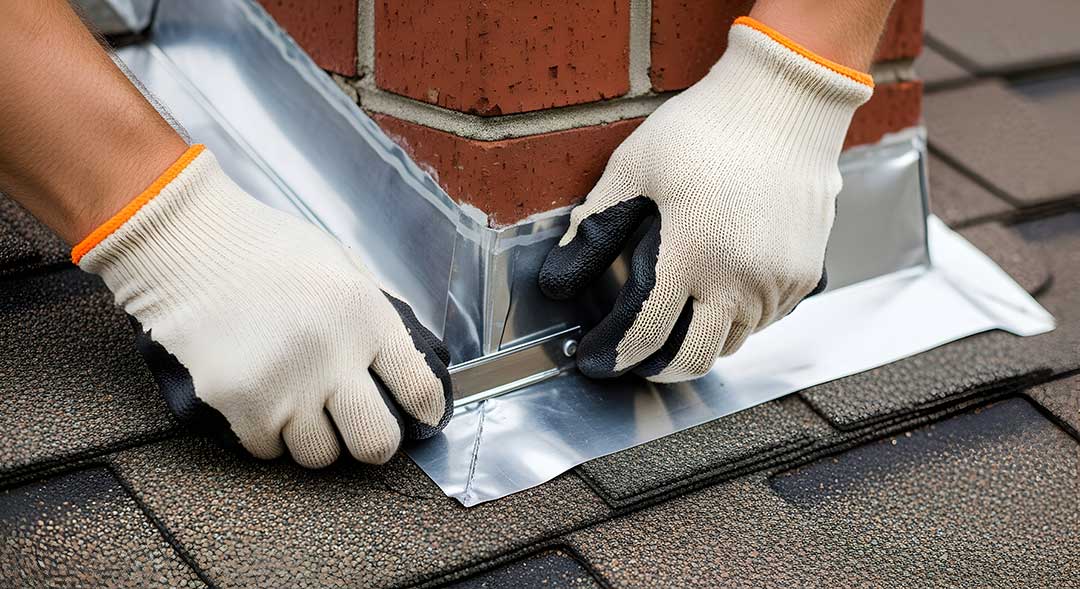
In the local climate, shingles must handle humid summers, winter moisture, occasional heavy snowfall, and repeated freezing and thawing. Proper attic ventilation and carefully installed flashing around chimneys, skylights, walls, and roof penetrations are especially important.
What are the pros and cons of metal roofing?
Metal roofing can provide a long service life with relatively low routine maintenance. It is available in panels or smaller interlocking pieces and can be designed to resemble other materials.
Benefits of metal roofing include:
- Long expected service life when properly installed
- Resistance to rot, insects, and moisture damage
- Good performance in wind and heavy precipitation
- Lightweight construction compared with many tile or slate roofs
- Ability to shed snow efficiently on steeper slopes
- Reflective finishes that may reduce summer heat absorption
Metal roofs also have drawbacks. The initial cost is usually higher than asphalt shingles, and repairs may require matching panels or specialized knowledge. Rain and hail can sound louder inside a home if insulation and underlayment do not reduce the noise. Some metal surfaces can dent from severe hail or falling branches, even when the roof remains watertight.
A metal roof is not automatically maintenance-free. Fasteners, seams, coatings, flashing, and areas around penetrations still need periodic inspection.
Is wood roofing suitable for local homes?
Wood shingles and shakes offer a natural appearance that can complement older or traditionally styled homes. Cedar is commonly associated with this category because it contains natural oils that provide some resistance to moisture and insects.
The main advantages are appearance, potential repairability, and the ability to weather into a distinctive finish. The disadvantages are more significant in a humid, seasonally wet environment.
Wood roofing may require:
- Regular cleaning to remove moss, leaves, and organic buildup
- Treatments or maintenance to limit moisture absorption
- Prompt replacement of split, curled, or decayed pieces
- Careful attention to ventilation and drying
Wood can be vulnerable to rot, mold, insect activity, and fire. Local building requirements, insurance considerations, and neighborhood rules may also affect whether a wood roof is practical. It should not be selected solely for appearance without understanding its maintenance demands.
When does slate roofing make sense?
Slate is a natural stone roofing material known for exceptional durability and a distinctive appearance. A well-maintained slate roof can last for many decades, and individual damaged pieces may sometimes be replaced.
Its major disadvantages are weight, cost, and specialized installation. Many homes are not designed to support the weight of a full slate roof without structural evaluation or reinforcement. Slate can also crack if walked on improperly, and replacement pieces must be compatible with the existing roof.
Slate is usually most appropriate when the home’s structure, design, budget, and long-term ownership plans support it. It is rarely the simplest replacement for a conventional asphalt roof.
What should homeowners know about clay or concrete tile?
Tile roofing can be durable, attractive, and resistant to rot and insects. Clay tile generally offers strong resistance to weathering, while concrete tile can provide a similar visual effect at a different cost and weight.
The concerns are structural capacity, cold-weather performance, and breakage. Tile is heavy, and some varieties can crack from impact or improper foot traffic. Freeze-thaw cycles make correct installation especially important because water entering small cracks can expand as it freezes.
Tile roofing also requires properly designed flashing and drainage details. Its appearance may suit certain architectural styles better than others, and replacement pieces may be difficult to match if the system is older.
Are synthetic roofing materials worth considering?
Synthetic roofing products are manufactured to imitate slate, wood, or tile while reducing weight. Their quality varies, so the material’s testing, warranty terms, installation requirements, and long-term repair options deserve careful review.
Potential advantages include:
- Lower weight than natural slate or tile
- Greater resistance to cracking than some natural materials
- Broad range of colors and textures
- Easier structural compatibility for some homes
Potential disadvantages include:
- Variable performance among manufacturers and product lines
- Less-established long-term history than traditional materials
- Difficulty matching discontinued products
- Higher cost than standard asphalt shingles in many cases
A synthetic roof should be evaluated as a complete system rather than judged only by its appearance.
Which roofing material handles severe weather best?
No material is completely storm-proof. Performance depends on the product rating, roof design, installation, maintenance, and the type of weather event.
For local homes, useful questions include:
- Is the material tested for high wind resistance?
- How does it respond to hail impact?
- Can it tolerate repeated freezing and thawing?
- Will it shed snow safely from the roof?
- Are replacement components readily available?
- Could falling branches damage the surface?
- Does the roof system include reliable flashing and underlayment?
Heavy materials are not necessarily stronger in every situation, and a lightweight material is not automatically fragile. The roof’s detailing and installation quality often determine whether a storm causes minor damage or allows water into the home.
How should a homeowner choose?
For many households, architectural asphalt shingles provide the most economical balance of cost and performance. Metal roofing may make sense for those prioritizing longevity, low rot risk, and reduced replacement frequency. Slate and tile are better suited to homes designed to support them and owners prepared for specialized maintenance. Wood roofing requires a willingness to maintain the surface carefully, while synthetic products call for close attention to product history and repair availability.
The most useful comparison is not simply “Which material lasts longest?” It is “Which roofing system fits the home, the budget, the structure, and the expected maintenance habits?” That question accounts for both immediate needs and the roof’s performance over many seasons.