


How Does Regular Roof Maintenance Protect Your Home?
Partial roof problems can quickly become whole-house issues, especially in the Midwest climate. In Fishers, IN, regular inspection and care of roof systems help guard against damage from seasonal temperature changes, ice, wind, rain, and humidity. Small tasks—such as clearing debris, checking for loose shingles, and unclogging gutters—play a significant role in preventing leaks, water infiltration, and even structural damage to the home.
Ignoring minor signs of wear may allow hidden moisture beneath shingles, which leads to mold, rot, and damage over time. Homeowners who stay proactive with simple checks and periodic cleaning are less likely to face expensive repairs caused by problems that remain hidden until the next heavy storm.
Can Preventative Maintenance Really Extend Roof Life?
Routine maintenance increases the lifespan of most roofing systems. Even in areas with good construction standards like Fishers, weather-related wear is unavoidable. Removing leaves and branches, checking flashing around chimneys and vents, and inspecting attic ventilation reduces premature aging.
Properly maintained roofs often last years longer than neglected ones, making the original investment in quality materials go further. Local households that periodically clean gutters and examine problem spots after storms—rather than just waiting for leaks to show—typically experience fewer major issues before the expected lifespan of their roofs is reached.
What Problems Can Be Caught Early Through Maintenance?
Most significant roof repairs start as minor, easy-to-miss issues. Visual checks and hands-on maintenance help spot these trouble signs before they require costly remediation:
- Shingle edges that curl, crack, or go missing
- Popped nails or loose flashing (thin metal sheets at joints)
- Dark streaks or spots indicating algae or dampness
- Granules collecting in gutters, signaling shingle wear
In neighborhoods with mature trees, trapped debris accelerates wear along roof valleys and gutters. Noticing these indicators early provides the chance to resolve them simply—before winds, rain, or snow expose weaknesses.
Are There Local Factors That Make Maintenance Especially Important?
Fishers' climate brings rapid weather swings, hail events, and heavy snow in winter, followed by spring thaws and storms. Ice dams, clogged gutters, and freeze-thaw cycles often stress roofs in this region.
Roofs here face unique local stressors:
- Ice in gutters can force water under shingles, causing hidden leaks.
- Humidity promotes algae growth, which can discolor shingles and hold water against the roof.
- High winds may shift shingles or loosen flashing, introducing moisture.
Routine care—removing blockages, checking for deterioration, and clearing moss—directly helps roofs weather these local challenges, especially after each changing season.
How Does Roof Maintenance Save Money in the Long Run?
Time and effort spent maintaining a roof translate into significant savings. Addressing problems while they're still small typically costs far less than major repairs or an early replacement. Preventing leaks also wards off related expenses, such as damaged insulation, stained ceilings, and rotted framing.
Fishers homeowners who perform or schedule periodic inspections avoid the kind of surprise repairs that can disrupt household budgets. Even a small gap around a vent can cause hundreds of dollars in water damage if not detected early.
What Are Common Misconceptions About Roof Maintenance?
One frequent misunderstanding is the idea that new or recently replaced roofs do not need care for several years. In reality, every roof—regardless of age—benefits from periodic attention. Newer systems are still vulnerable to debris buildup, storm damage, and minor installation issues that may only become visible over time.
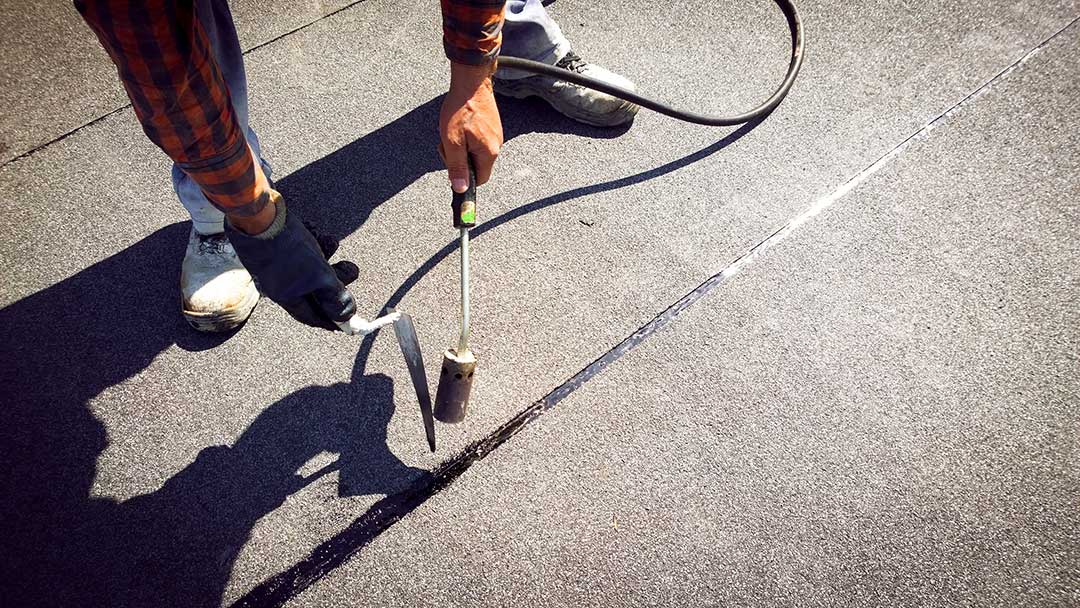
Another mistaken belief is that maintenance is limited to visual inspection from the ground. Many problems, like popped nails, lifted flashing, or early granule loss, are only noticeable on close-up inspection—either from a ladder or the attic.
What Can Homeowners Realistically Do Themselves?
Most regular maintenance does not require specialized expertise, but some tasks do require basic safety knowledge and proper equipment. Practical steps homeowners commonly take include:
- Clearing leaves and debris from roof valleys and gutters
- Examining visible areas of the roof after heavy storms
- Watching for blown-off shingles or flashing in the yard
- Checking attic spaces for dampness, staining, or musty odors
Falls are a risk with any roof work, so activities that involve walking on steep or slippery surfaces should be left to those with appropriate training and safety gear. For most households, simple ground-level and attic observations catch the majority of early warning signs.
What Should Be Included in a Regular Maintenance Checklist?
Local residents often find it helpful to create a seasonal checklist to address routine roof care. Such a checklist might include:
- Remove fallen branches and blockages from valleys and gutters each spring and fall
- Survey the roof perimeter after storms for missing or damaged shingles
- Look for visible signs of moss, algae, or moisture where previous growth occurred
- Check that soffit vents are clear and attic ventilation appears unblocked
- Note any sagging, staining, or water marks inside the attic or along upper floor ceilings
Writing down observations and setting calendar reminders—especially after notable weather events—goes a long way toward keeping up with maintenance and preventing surprise repairs.