

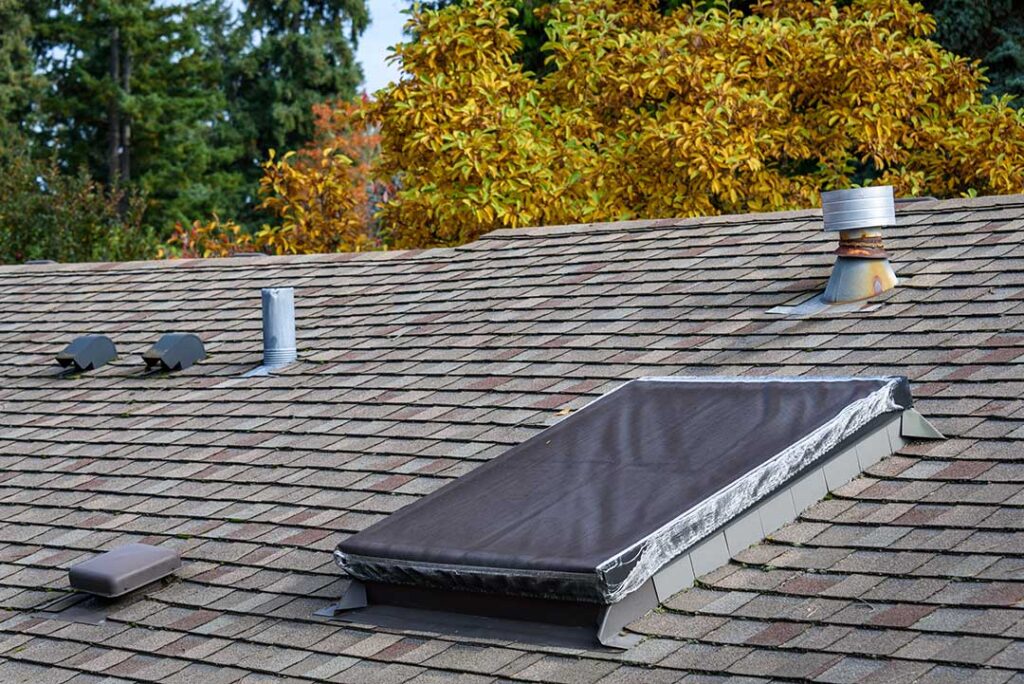
A roof usually lasts longer when small maintenance issues are found before water, wind, ice, and temperature changes turn them into larger problems. For households in Fishers, IN, a practical roof-care routine should account for heavy rain, freeze-thaw cycles, summer heat, falling leaves, and occasional severe storms.
What shortens a roof’s service life?
The most common causes of early roof failure are moisture, poor ventilation, storm damage, neglected flashing, and deferred repairs. Roofing materials may be designed to last for decades, but their actual service life depends heavily on installation quality, attic conditions, drainage, and maintenance.
Common sources of unnecessary wear include:
- Missing, cracked, or lifted shingles
- Clogged gutters and downspouts
- Moss, algae, or debris holding moisture against the roof
- Damaged pipe boots, vents, skylight flashing, or chimney flashing
- Inadequate attic ventilation
- Insulation problems that allow condensation or ice buildup
- Branches rubbing against roofing materials
- Repeated walking on the roof
- Delayed attention to small leaks or water stains
A roof does not need to look severely damaged to be losing years of useful life. A small flashing gap can allow moisture into the roof assembly, where damage may remain hidden until staining, rot, or mold appears indoors.
How often should a roof be inspected?
Most homeowners benefit from a visual roof check at least twice a year: once in spring and again in early fall. Additional inspections are sensible after strong wind, hail, fallen branches, or other severe weather.
A ground-level inspection can look for:
- Shingles that are missing, curled, cracked, or displaced
- Dark streaks or patches that may indicate algae or retained moisture
- Granules collecting in gutters or at the base of downspouts
- Sagging areas along the roofline
- Exposed fasteners or deteriorated flashing
- Debris gathered in valleys or behind roof features
- Daylight visible through the attic roof deck
A roof inspection does not always require climbing onto the roof. Walking on shingles can cause damage, especially when materials are brittle, wet, cold, or weakened by age. A pair of binoculars can provide a closer view from the ground while avoiding unnecessary risk.
Why do gutters affect roof life?
Gutters help move water away from the roof edge, siding, foundation, and exterior walls. When they are blocked, rainwater may back up beneath shingles or overflow against fascia boards and trim.
Leaves and small branches are especially common maintenance concerns during autumn. After storms, even a few minutes of checking gutter flow can reveal a problem before the next heavy rain.
Keep the drainage system working by:
- Clearing leaves and compacted debris regularly
- Checking that downspouts discharge water away from the foundation
- Re-securing loose gutter sections
- Watching for sagging, rust, separated seams, or overflowing areas
- Confirming that splash blocks or extensions are directing water away from the house
Gutters should not be used as a substitute for proper roof drainage. Valleys, roof slopes, flashing, and underlayment must also be in good condition. If water continues to overflow from one location even after the gutter is clear, the underlying drainage design or roof surface may need closer evaluation.
How does attic ventilation protect roofing materials?
A balanced attic ventilation system helps remove heat and moisture. Intake ventilation is commonly located near the lower roof edge, while exhaust ventilation allows warm, humid air to leave near the roof peak or upper slope.
Poor ventilation can contribute to:
- Excessive summer heat in the attic
- Condensation on roof framing and fasteners
- Damp insulation
- Mold or wood decay
- Premature aging of shingles
- Ice dams during prolonged freezing weather
Ventilation must be balanced with adequate insulation and air sealing. Adding an exhaust vent without enough intake airflow may not solve the problem and can sometimes interfere with the way air moves through the attic.
During winter, check for frost, damp insulation, or water marks on the underside of the roof deck. During summer, unusually high attic temperatures or persistent moisture can signal ventilation or insulation concerns. Bathroom and kitchen exhaust fans should vent outdoors rather than into the attic.
What should homeowners do after a storm?
After high winds or hail, inspect the roof from the ground and check the attic and upper-floor ceilings for signs of water entry. Not all storm damage is obvious from the yard.
Look for:
- Shingles scattered across the property
- Lifted or creased shingle edges
- New dents or exposed underlayment
- Damaged vents, flashing, or metal roof components
- Broken branches resting on the roof
- Granules in gutters
- New ceiling stains or damp insulation
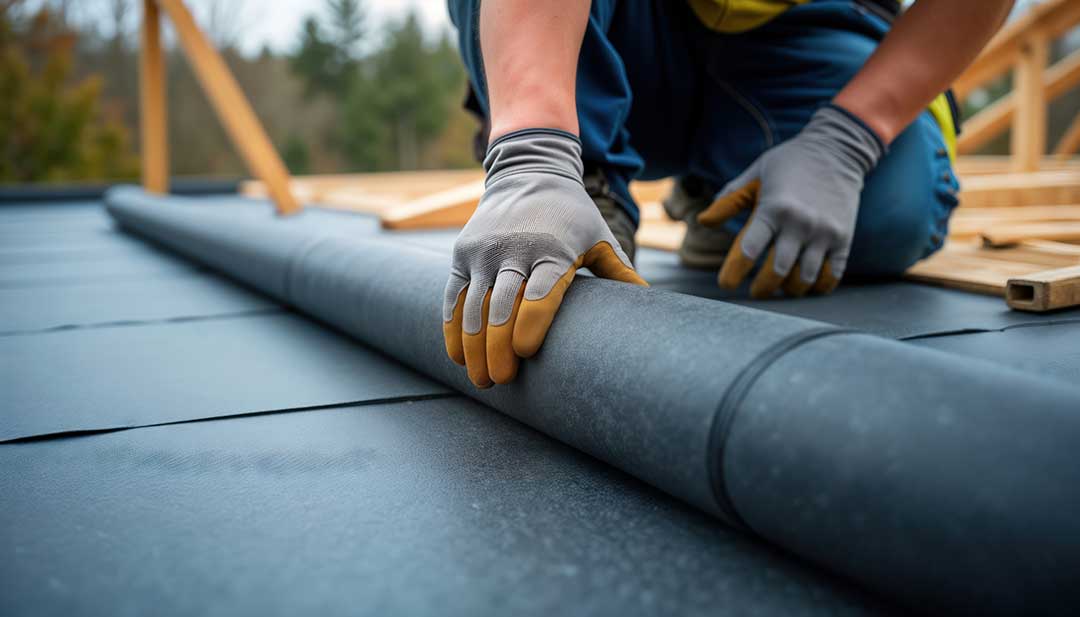
Water may enter through a small opening and travel along rafters before appearing far from the original damage. A stain that appears several feet away from an exterior wall or roof feature does not necessarily identify the exact leak location.
Temporary measures may be appropriate to limit additional water entry, but roof surfaces can be slippery and unstable after storms. If the roof is steep, damaged, icy, or difficult to access safely, avoid climbing onto it.
Should moss, algae, and debris be removed?
Yes, but removal should be gentle. Organic growth and debris can retain moisture, block drainage, and wear away the protective surface of shingles.
Avoid pressure washing a shingle roof. High-pressure water can remove granules, damage seal strips, and force water beneath roofing materials. Harsh scraping can create similar problems.
Safer maintenance practices include:
- Removing leaves and small branches without dragging them across shingles
- Trimming nearby limbs so they do not rub against the roof
- Keeping roof valleys and drainage paths clear
- Addressing persistent shaded moisture conditions
- Using cleaning methods suitable for the specific roofing material
Moss that has established beneath shingles may indicate prolonged moisture exposure. Removing the visible growth without correcting the moisture source often leads to recurrence.
Which roof repairs should not be delayed?
Leaks, exposed underlayment, missing shingles, damaged flashing, and sagging roof sections deserve prompt attention. Delaying these issues can allow water to reach insulation, framing, drywall, electrical components, and interior finishes.
A small repair is generally less disruptive than replacing water-damaged roof decking or structural wood. Watch carefully for:
- Water stains that grow after rainfall
- Peeling paint near ceilings or upper walls
- Musty odors in the attic
- Damp insulation
- Drips around vents, chimneys, or skylights
- Soft or sagging roof areas
- Persistent condensation or frost in the attic
Not every ceiling stain is caused by the roof. Plumbing leaks, HVAC condensation, and bathroom moisture can create similar signs. The source should be identified before interior repairs are made.
Can homeowners extend roof life without replacing it?
Often, yes. Regular inspections, clean drainage, good attic airflow, careful tree maintenance, and prompt repairs can help preserve an otherwise serviceable roof. These measures cannot reverse age-related deterioration or correct a fundamentally poor installation, but they can reduce avoidable damage.
Keep records of inspections, repairs, storm events, and visible changes. Knowing the approximate installation date and roofing material makes it easier to judge whether a problem is isolated or part of broader aging.
In a climate with hot summers, wet weather, winter freezing, and occasional high winds, roof longevity depends on both the roof surface and the systems around it. The most useful routine is simple: keep water moving, keep the attic dry, limit physical damage, and investigate small warning signs before they become interior damage.