

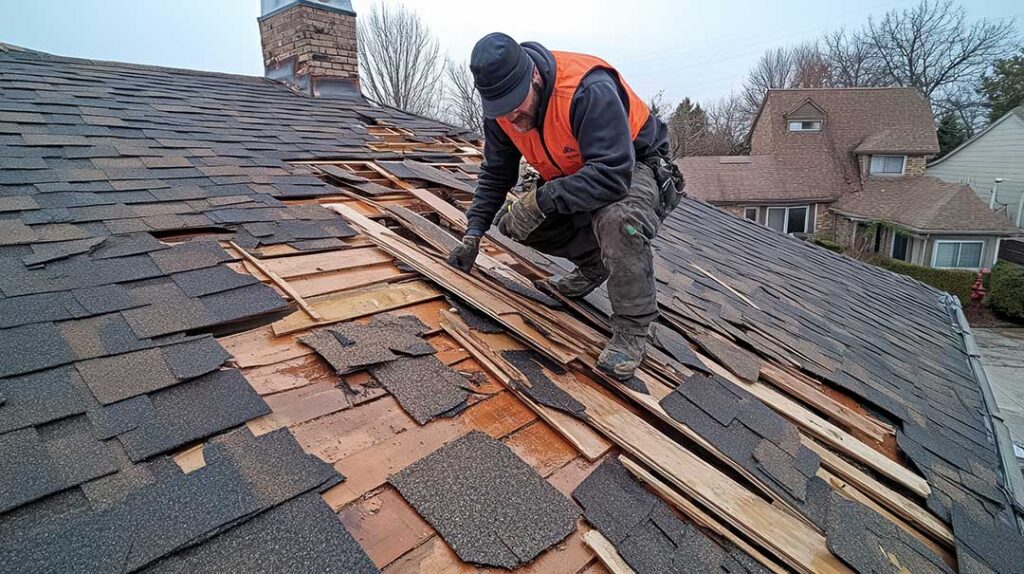
What Are the Subtle Signs of Roof Damage?
Subtle roof problems can develop long before a major leak or obvious hazard occurs. In Fishers, IN, the combination of seasonal weather swings—hot summers, snowy winters, and occasional storms—makes it especially valuable for area residents to spot these issues early. Often, catching minor changes saves households from expensive repairs later.
Common Early Clues:
- Discolored patches or streaks (especially dark, green, or rust-colored)
- Shingle edges that appear curled or cracked
- Tiny granules accumulating in gutters
- Damp, stained, or musty smells in attics or upper floors
These signs typically start small, so regular observation is key.
How Can Weather in Fishers Affect Roof Condition?
Sudden temperature changes and frequent freeze-thaw cycles in the city cause common roofing materials to expand and contract, gradually wearing them down. Summer storms bring high winds and heavy rain, which can dislodge shingles, flashing, and gutter systems or push water into vulnerable roof seams.
Season-Specific Warning Signs:
- After winter: Check for ice dam remnants, loose shingles, and water stains on ceilings.
- After spring storms: Look for missing shingles, dented roof vents, or branches resting on the roof.
Many residents overlook small effects from hail, such as pockmarks on soft shingles, but these can weaken protective layers over time.
Which Roof Materials Show Early Damage Differently?
Not all roofs show distress the same way. In Fishers, asphalt shingles are common, but many homes also have architectural shingles, metal panels, or even composite slate.
- Asphalt shingles: Watch for granules in gutters and curling at the edges.
- Metal roofs: Look for rust spots, loose screws, or lifted seams.
- Synthetic shingles or slate: Tiny fractures or chips are early warning signs.
Checking transition points—such as valleys, roof ridges, and around chimneys—can reveal issues that may not be visible from the ground.
Where Should Residents Look First During a Self-Inspection?
Focus on areas most exposed to the elements or more prone to trapped moisture. Examining your roof from different vantage points, such as across the street or through upper-story windows, helps spot warping and uneven surfaces.
Priority inspection spots:
- Around skylights and vents
- Under overhanging tree limbs, especially after storms
- Near chimneys and along flashing
If safe attic access is available, look upward for nails poking through, visible daylight, or soft, damp wood as signs of trouble above.
Is Moss or Algae Growth Always a Problem?
Moss, lichen, or greenish algae can signal persistent moisture issues. On shaded sections of roofs in Fishers, these growths are common, especially where overhanging branches drip water.
- Moss may lift shingles and hold water against the roof, eventually leading to rot.
- Algae streaks generally look worse than they are but may also trap moisture over time.
Regularly trimming nearby trees helps keep roof surfaces dry and prevents these organisms from taking hold.
How Can Interior Signs Hint at Roof Damage?
Some problems start outside but show up inside the home. Unusual brown stains, bubbling paint, or soft plaster along upper walls and ceilings often develop slowly after sustained leaks—even before water is visibly dripping.
Musty odors or an unexplained spike in attic humidity during rainy periods can indicate a slow leak somewhere above. These clues sometimes precede any obvious exterior damage, underscoring the value of looking for both indoor and outdoor symptoms.
What Are Common Myths About Early Roof Problems?
Many households in Fishers believe that:
- Small issues like one curled shingle or tiny spots in the attic aren't urgent
- Annual inspections aren't necessary for fairly new roofs
- Gutter debris is only an autumn problem
In reality, minor warning signs tend to worsen after just one or two seasons. Gutter clogs during spring storms, for example, can cause water to back up under shingles and rot structural wood.
When Is It Unsafe to Inspect Damage Personally?
Residents should not climb onto roofs in icy, windy, or stormy conditions, or whenever the roof has a steep pitch. If electrical wires are nearby, or roof decking seems soft or unstable when pressed from the attic, stay off the roof. Binoculars from the ground or photographs from upper-story windows often provide enough detail for a first check.